Rule out causes outside the brain (extracranial)
- Excess or deficit of glucose, electrolytes, triglycerides, etc.
- Metabolic disease caused by kidney or liver disorders
- Ingesting toxins or poisons such as chocolate, human medication, etc.
Receiving a diagnosis of idiopathic epilepsy (IE) for your dog is nothing to fear. Now that your veterinarian understands that IE is causing your dog’s seizures, they can recommend a treatment plan to bring back some stability to your lives.
Idiopathic epilepsy, or recurring seizures with no identifiable cause, is the most common chronic neurologic disorder in dogs.1,2 A seizure, or convulsion, is caused by temporary abnormal brain activity that leads to uncontrollable muscle movement.3,4 The type and severity of seizures can vary, as can the frequency, ranging from several a day to less than one a year.

While seizures look dramatic when they’re occurring, your dog is not in any pain or discomfort during the seizure. They don’t even know that it’s happening.6 This doesn’t make it any less stressful or frightening to witness, nor does it make it any less disruptive to your daily life. With appropriate treatment and careful monitoring in partnership with your veterinarian, your dog’s seizures can be managed so that you can enjoy more days free of the cloud of epilepsy.
Study of dog owners finds important factors affecting quality of life*,7
An online survey of owners of 225 dogs with idiopathic epilepsy uncovered insights into the factors people consider most important for their dog’s quality of life.
Dogs with lower average monthly seizure frequency*
Dogs experiencing isolated seizures, as opposed to clusters
Dogs who did not experience side effects from medication
Dogs who did not require medication during an episode
According to dog owners in the survey, the number of anti-epileptic medications or average month cost of medications wasn't associated with better quality of life.
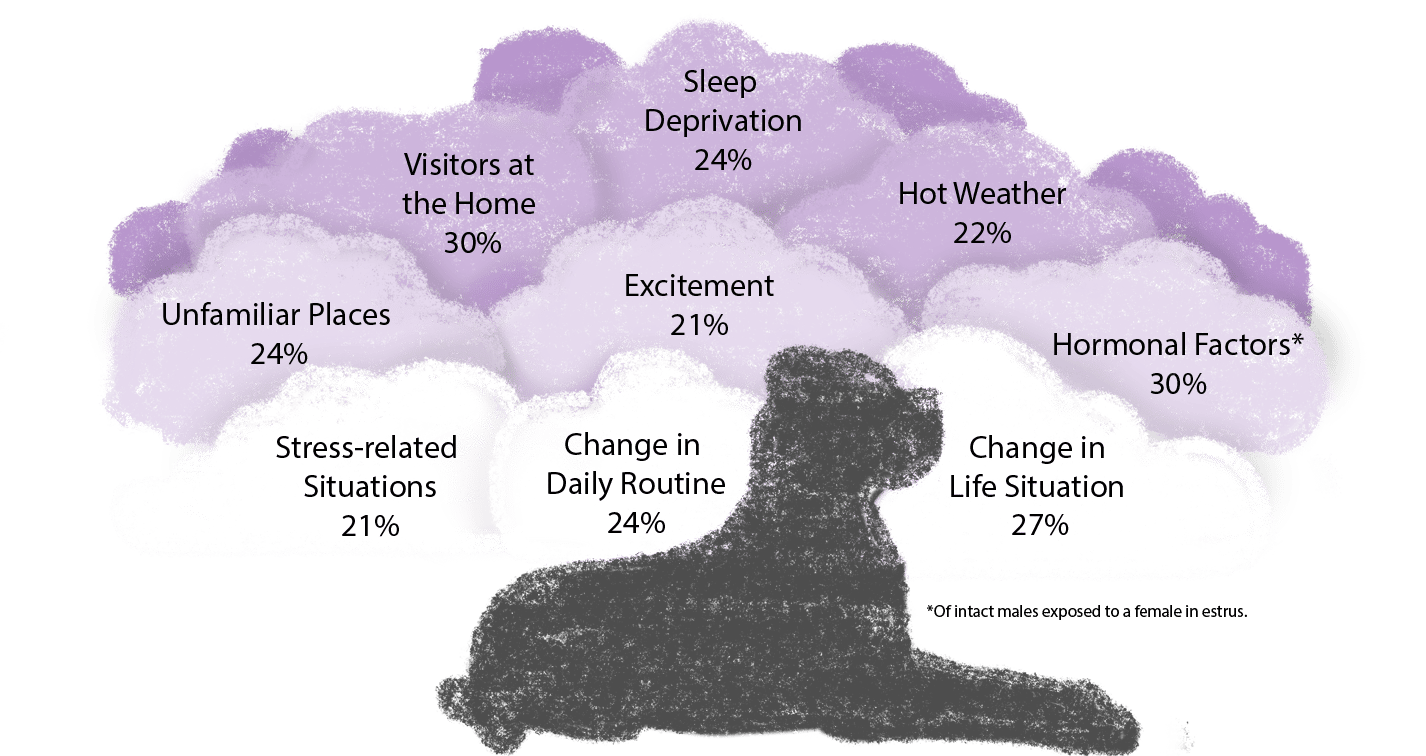
*Another online survey study of 150 dog owners confirmed seizure frequency to be the most important factor affecting QOL for owners of dogs with idiopathic epilepsy.9
Because there are many things that could cause seizures, your veterinarian will need to narrow down the potential cause in order to recommend an appropriate treatment.1,2
It’s okay if you can’t answer every question. Any insights you can provide about your dog’s seizures will help your veterinarian arrive at a diagnosis.
While there’s no cure for idiopathic epilepsy (IE), it’s possible to control it over your dog’s lifetime. As you work with your veterinarian to manage it in your dog, keep these important factors in mind:
Finding the right levels of medication to control your dog’s seizures will require some trial and error, which may require multiple clinic visits and diagnostic tests.
The goal of medication therapy is to decrease the number of seizures your dog experiences, but it’s unlikely to completely eliminate them.
Once you begin giving your dog anti-convulsant medication, it must be administered for your dog’s entire life. Stopping this type of medication may put your dog at risk of developing more severe seizures in the future.
Thanks to its once-daily dosing, KBroVet® (potassium bromide chewable tablets) is easy to fit into your routine so you’re less likely to miss a dose.
Be prepared to discuss treatment options and ask your veterinarian if KBroVet might be the right choice for your dog. KBroVet is only available by prescription from a licensed veterinarian.
1. De Risio L, Platt S. Canine and Feline Epilepsy: Diagnosis and Management. 1st ed. CABI; 2014.
2. Patterson EE. Canine epilepsy: An underutilized model. ILAR Journal. 2014;55(1):1-3.
3. Chandler K. Treatment and monitoring of epilepsy in dogs. In Pract. 2011;33:98-104.
4. Charalambous M, Brodbelt D, Volk HA. Treatment in canine epilepsy – a systemic review. BMC Vet Res. 2014;10:257.
5. Podell M, Fenner WR, Powers JD. Seizure classification in dogs from a nonreferral-based population. JAVMA. 1995;206(11):1721-8.
6. Canine seizure disorder: A fresh look at clinical management. Proceedings of a Panel Discussion. (Available online at PRNPharmacal.com)
7. Nettifee JA, Munana KR, Griffith EH. Evaluation of the impacts of epilepsy in dogs on their caregivers. J Am Anim Hosp Assoc. 2017;53(3):143-149.
8. Wessmann A, Volk HA, Packer MA, et al. Quality-of-life aspects in idiopathic epilepsy in dogs. Vet Rec. 2016;179(9):229.
9. Forsgard JA, Metsahonkala L, Kiviranta AM, et al. Seizure-precipitating factors in dogs with idiopathic epilepsy. J Vet Intern Med. 2019;33:701-7.